What causes thin eggshells?
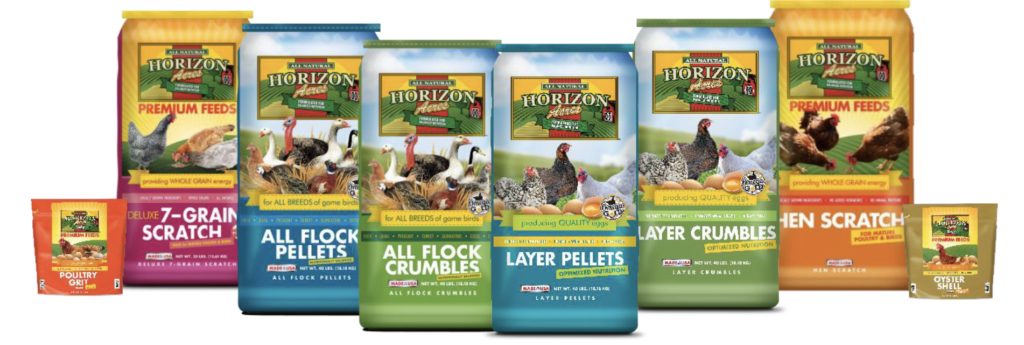
There are numerous factors that can lead to thin eggshells. The most common and easiest to fix is insufficient calcium in your chicken’s diet. Make sure to always have complete laying feed available. Horizon Acres Egg Crumbles or Pellets and Horizon Acres All Flock Crumbles or Pellets are specifically formulated to provide laying hens the nutrition they need to be healthy productive members of your flock. Horizon Acres Oyster Shell or Horizon Acres Poultry Grit can be offered for extra supplemental calcium; however, they are not necessary when your birds are consuming Horizon Acres Layer Feed. Other causes of thin eggshells include stress and age. It takes over 15 hours for a chicken to produce a single egg and if she is experiencing stressors such as extreme heat can lead to thinner eggshells. Finally older hens lay larger eggs and tend to experience more reproductive deficiencies from wear and tear of her repro tract over the years. This can lead to lowered egg production and thinner eggshells. Molting older hens may help with this but some producers choose to cull older birds
How often should I gather eggs from my chicken coop?
Eggs should be gathered from your chicken coop daily at minimum for a few reasons. The first being to ensure the safety and quality of your eggs. High temperatures, such as a hot summer day, can accelerate the aging process of eggs and decrease their quality and shelf life. Eggs that become frozen on a very cold winter day can expand inside of the shell and crack. These small cracks can potentially become a gateway for harmful bacteria. Additionally, chickens can begin to damage eggs as their nesting boxes fill up. Once a chicken accidently cracks an egg, they may begin to crack them on purpose to eat the egg. For these reasons we recommend collecting eggs daily and possibly twice per day on very hot or very cold days.
How do I check egg freshness?
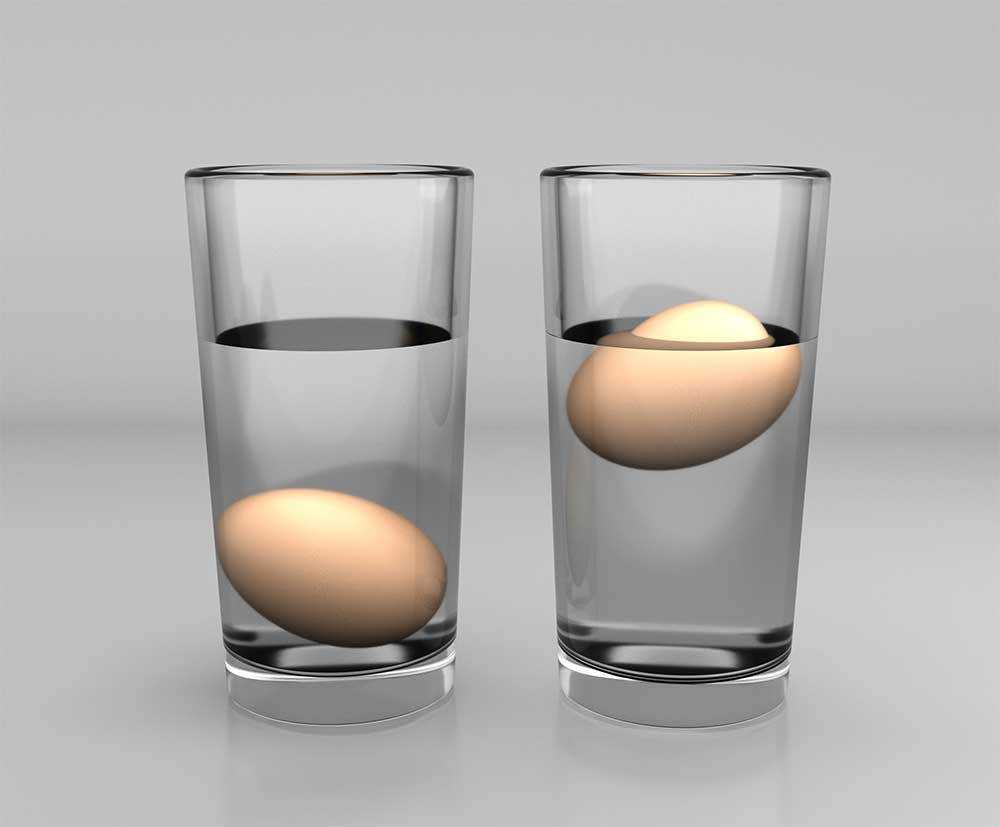
One way is through the float test.
- Fully submerge egg in cool water
- See if the egg
- Stays on the bottom of the container laying on its side
- Sinks to touch the bottom of the container but stands on its end
- Floats to the top of the water
- Eggs that stay on the bottom on their side are Fresh.
- Eggs that stand on end are OK but need to be used soon.
- Eggs that float are spoiled and should not be consumed.