Chickens are remarkably adaptable creatures and acclimate to cold temperatures very well if they are given a chance to acclimate to the change. Below are some considerations when preparing your flock for winter.
Do chickens need heat?
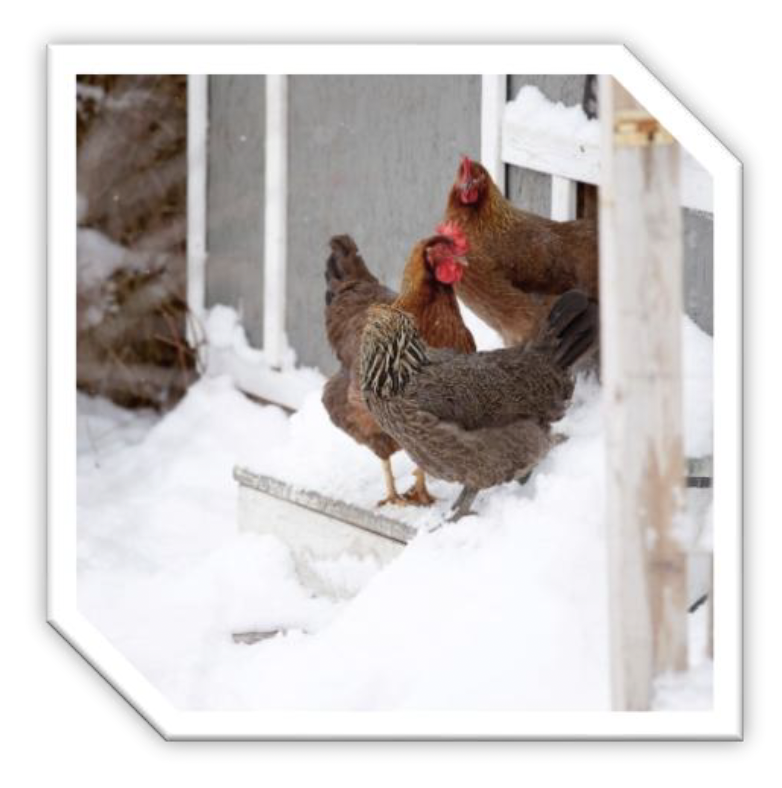
Chickens adapt very well to cold temperatures. The most important thing is that they have an inside spot free from wind and cold drafts. Chickens warm themselves by trapping air in their feathers and using their features to insulate the warm air against their bodies. This is why your chickens appear “fluffed up” on chilly winter nights. Cold breezes can ruffle feathers and cause your chickens to lose the warmed air that is helping them maintain their body temperature. By removing cold drafts and keeping your coop dry, you set up your chickens to be able to keep themselves warm without heat sources. Because of safety concerns with heat lamps, it is best to not use them all winter long. Keep in mind, proper ventilation is still essential to promote health and reduce respiratory illness.
Why do my chickens quit laying over winter?
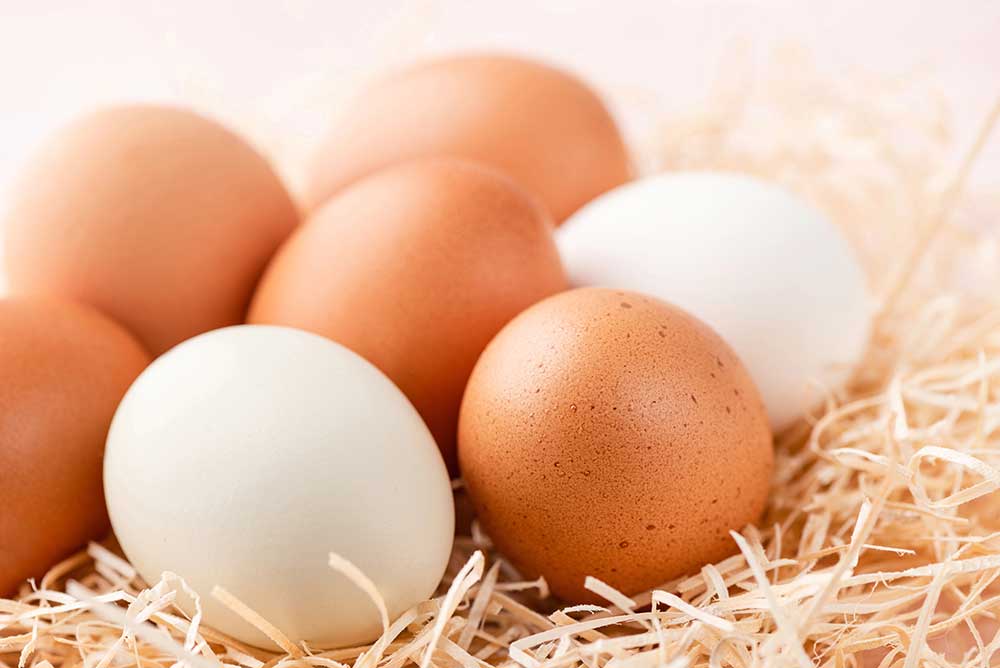
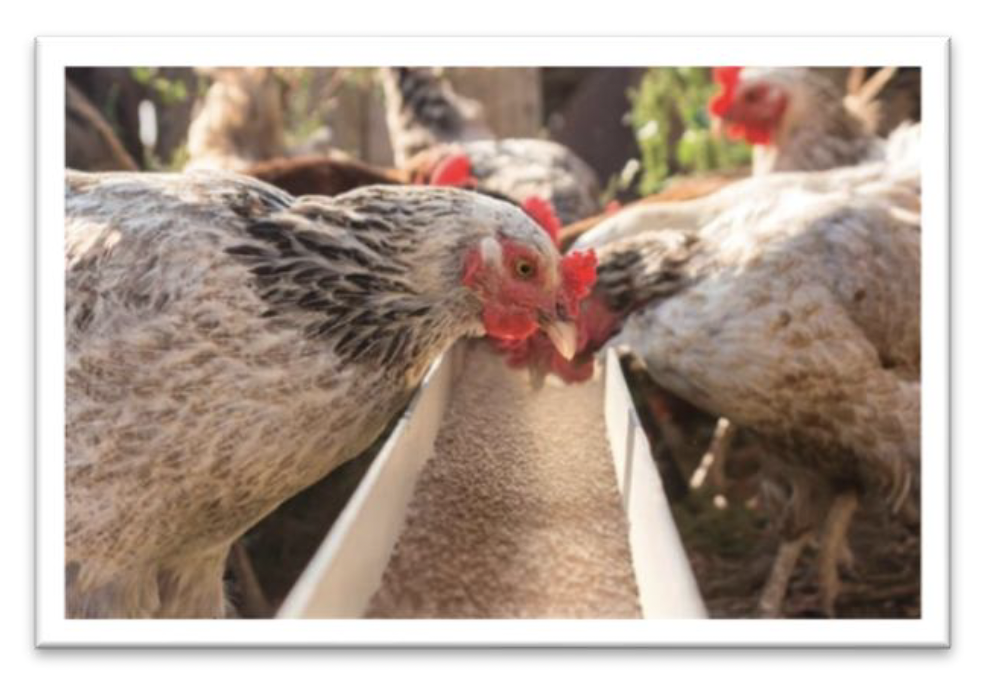
Chickens require at least 14 hours of daylight for egg production. As daylength shortens in the fall, chickens will begin to molt. Biologically, chickens go through molt to develop new strong feathers to keep themselves warm in winter. Molting will reduce egg output and chickens may quit laying altogether. This will likely last 4-6 weeks. If year-round production is important to you, artificial light is necessary. Make sure to have 16-18 hours of “daylight” per day. This can be accomplished by adding a timer to supply artificial light after sunset. In addition to light, molting can occur due to nutritional status and/or lack of readily available water. Fresh water and a complete layer feed must always be available. Be sure that your chickens water source does not freeze!